All Categories
Featured
Table of Contents
Adapting Browse Techniques for Denver Proximity in 2026
Search intent in 2026 has actually moved beyond basic geographical markers. While a user in Denver may have once searched for general services across CO, the expectation now is for hyper-local precision. This shift is driven by the rise of Generative Engine Optimization (GEO) and AI-driven search models that prioritize instant proximity and real-time accessibility over standard ranking signals. Online search engine no longer treat a city as a single block. A question made in the center of Denver produces different results than one made just a couple of blocks away.
Steve Morris, CEO of NEWMEDIA.COM, has actually argued in major tech publications that the era of broad SEO is being replaced by "proximity clusters." According to Morris, AI search agents now weigh a company's physical place against real-time information points like regional traffic, current weather, and social belief within a couple of square miles. For organizations running in CO, this means that visibility is no longer guaranteed by high-volume keywords alone. Presence now depends on how well a brand's information is structured for these AI-driven local evaluations.
The Role of AI Browse Optimization and RankOS
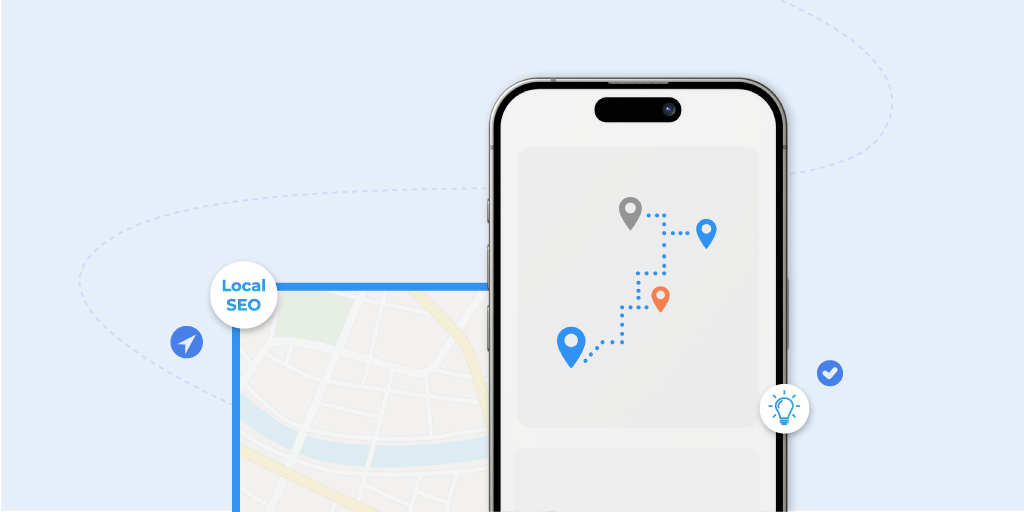
The technical requirements for appearing in regional search results page have actually ended up being significantly complex. AI Search Optimization (AEO) and GEO need a various technique to data than standard Google rankings. To resolve this, the RankOS platform has actually been created to assist brands handle their presence throughout varied AI search user interfaces. This involves more than just keeping an address updated. It requires offering AI designs with a steady stream of localized, context-aware info that proves a company is the most relevant option for a specific user at a particular minute.
Organizations looking for Social Media Marketing frequently discover that basic strategies stop working to capture the subtlety of neighborhood-level intent. In Denver, customers utilize voice-activated assistants and wearable AI to find immediate solutions. If a brand's digital existence lacks the particular metadata required by these systems, they efficiently disappear from the distance search results page. This is particularly real in competitive markets like New York City, Denver, and LA, where NEWMEDIA.COM has actually observed a substantial increase in "at-this-intersection" questions.
Personalizing Content for the Denver Experience
Personalizing the consumer experience in 2026 requires moving away from generic design templates. It includes producing content that talks to the particular culture, events, and practical requirements of Denver. This hyper-local marketing technique makes sure that when a user searches for a service, they see details that feels customized to their present environment. A retail brand name may highlight different items based on the specific weather condition patterns or local occasions occurring in CO.
Local Answer Engine Optimization has ended up being vital for modern businesses trying to keep this level of customization at scale. By using AI to analyze regional information, business can generate content that shows the micro-trends of a particular location. This is not about easy keyword insertion. It has to do with showing an understanding of the local neighborhood. Steve Morris highlights that AI search engines can spot "thin" localized material. They prefer sources that provide real value to the locals of Denver.
Proximity Browse and Mobile Optimization in CO
Most of hyper-local searches happen on mobile gadgets or through AI-integrated hardware. This makes technical web design more crucial than ever. A website needs to pack immediately and offer the specific information an AI agent needs to fulfill a user's demand. This consists of structured data for stock, pricing, and service hours that specify to a single place. Organizations that rely on Digital Growth in Colorado to remain competitive are retooling their web presence to stress these micro-location signals.
Distance optimization likewise takes into consideration the "digital footprint" of a location. This consists of local evaluations, points out in community news outlets, and even social networks check-ins. AI designs utilize these signals to validate that a business is active and credible in Denver. If a brand has a strong nationwide presence however no local engagement in CO, it might find itself outranked by a smaller rival that has actually concentrated on hyper-local signals.
Data Stability in Hyper-Local Marketing
As AI agents end up being the primary method individuals discover services in the United States, the accuracy of regional data is non-negotiable. Conflicting details about a location's address or services can cause an overall loss of visibility. Steve Morris has noted that "data fragmentation" is among the biggest obstacles for brand names in 2026. If an AI assistant gets three different sets of hours for a business in Denver, it will likely advise a rival with more constant data.
Managing this at scale needs a central system that can press updates to every corner of the digital environment all at once. The RankOS platform addresses this by ensuring that every AI design, online search engine, and social platform sees the very same high-fidelity info. This level of coordination is necessary for businesses that want to dominate the proximity search engine result. It has to do with more than just being discovered; it has to do with being the most relied on answer supplied by the AI.
The Future of Localized Search in 2026
Looking towards the second half of 2026, the trend of hyper-localization is only expected to accelerate. As increased truth and advanced AI representatives end up being typical, the digital and physical worlds will continue to combine. Customers in Denver will expect their digital assistants to understand not simply where they are, but what they require based upon their immediate environments. Services that have actually invested in localized material and proximity optimization will be the ones that are successful in this environment.
Planning for this future methods moving beyond the basics of SEO. It requires a dedication to data precision, a deep understanding of regional intent, and the best innovation to handle it all. By concentrating on the unique requirements of users in CO, brands can create a more meaningful connection with their clients. This approach turns a basic search into a tailored interaction, ensuring that business remains a central part of the regional community's daily life.

Latest Posts
Ultimate Search Engine Optimization Checklist for 2026
Transforming Local Trips Into Custom Storybook Art
Ways AI Can Scale Local Search Presence